Grant
27 supported projects match your criteria. Awarded projects View map
Rode diesel
© Hester den Boer

Return of the Red Diesel

POPPEL - Dutch tractors cross the border day and night via small sandy roads to refuel more cheaply in Belgium. Since the Netherlands abolished the tax benefit for red diesel in 2013, cross-border trade has flourished with hardly any controls.

Leer más
International wolf Center
© Johannes De Bruycker

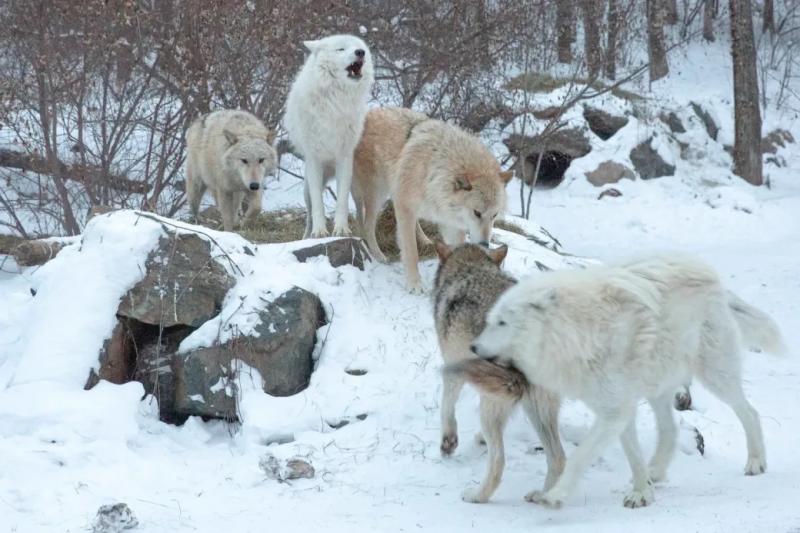
The Big Bad Wolf

OUDSBERGEN / YELLOWSTONE - After a century of absence, the wolf is once again prowling our landscapes. Its return is welcomed in forests and meadows, but resistance is growing on farms and in parliaments.

Leer más
Grondig Anders
© Antoon Vanderstraeten en Ertsberg

Profoundly Different

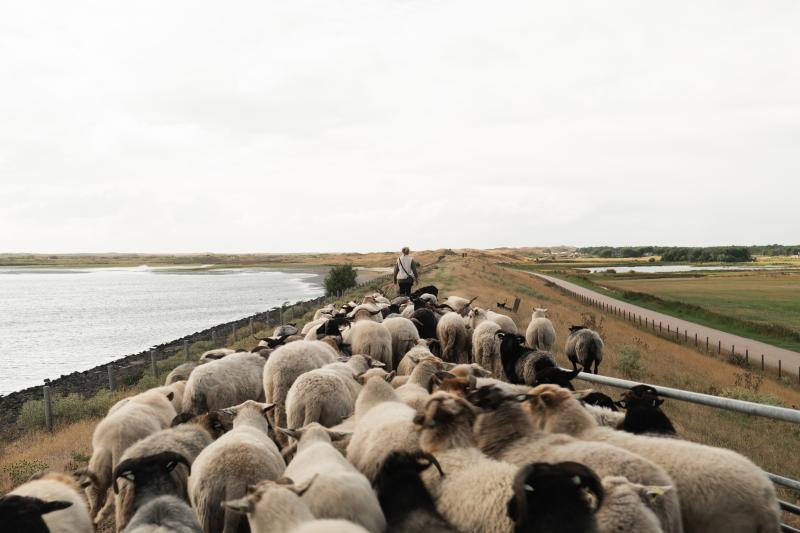
BRUSSELS - Agriculture in Flanders is facing challenges. Caught between expanding cities and ever-growing nature reserves, farmers are striving to produce food for a growing (global) population.

Leer más
Kan Congo de wereld redden?
© Bart Lasuy

Can Congo save the world?

KINSHASA - Following on from the first part of the dossier on why and how Congo's forests became the world's first lung, John Vandaele explores whether the country can effectively be the 'solution country' it claims to want to be.

Leer más
Het mirakel van Almería
© Cassette for timescapes & Moon Blaisse

The Miracle of Almería

ALMERÍA - At the far end of Europe, on the southern border of Spain, lies Almería. It is a huge province completely covered with white plastic, harbouring Europe’s largest vegetable garden. It is the place where our tomatoes come from, even in winter. But under all the plastic, strange things happen…

Leer más
Opdrogend land
© Simon Clément

Drying up Land

DAMASCUS - The Mesopotamia, an ancient cradle of civilisation, is formed by the Euphrates and Tigris rivers. But due to drought and the construction of Turkish dams, the rivers are in danger of drying up.

Leer más
Grote Belgische honger naar Zeeuwse landbouwgrond
© Sky Pictures (Provincie Zeeland)

Great Belgian hunger for Zeeland's farmland

ZEELAND - To whom does the Dutch province of Zeeland belong? Partly to Belgians, who own up to a fifth of the agricultural land in the southernmost part of the province. The Dutch research collective Spit and the Belgian platform Apache went in search of the large landowners and answered the question: why are they active there?

Leer más
Een vlezige markt
© Daniel de Lorenzo

A meaty market

BRUSSELS - Animal protein production accounts for 82% of food’s carbon footprint in the EU, and it is therefore necessary to curb livestock emissions in order to reach the goals within the EU green deal.

Leer más
Black and white food agriculture milk cows dairy
© rr

The Flemish Farm-to-fork strategy

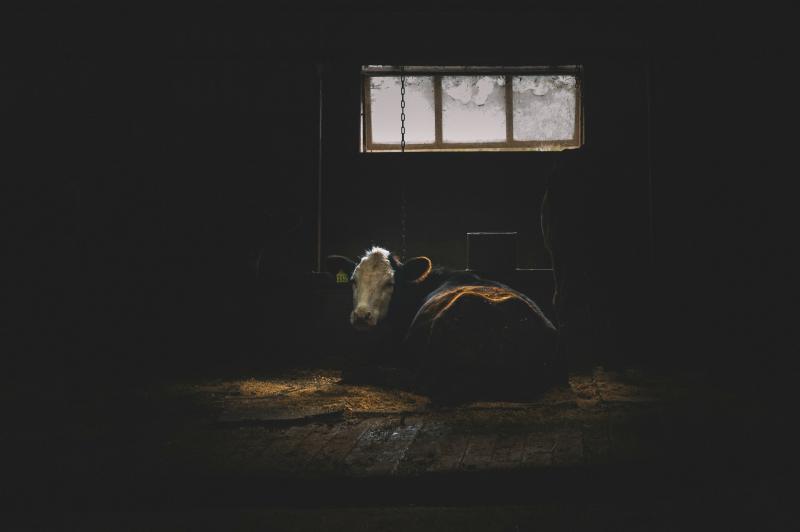
BRUSSELS - In 2021, the EU launched the brand-new Farm-to-Fork strategy to make our agriculture more sustainable. Among other things, this strategy aims to ensure that meat production and consumption decreases in member states to reduce the impact on our health and the environment. However, this will not happen without a struggle.

Leer más
Boeren in warmer klimaat
© Layla Aerts

How do we farm in a warmer climate?

BRUSSELS - Climate change is causing extremes in weather, such as more frequent heat waves, periods of drought and intense rainfall. Our farmers notice the consequences of the climate crisis on their fields, in fluctuating yields and failing crops.

Leer más

Kongo Central

MATADI - Since colonial times, much and yet little has changed in the Congolese province of Kongo Central. Belgian companies in the Congolese agro-industry no longer play the role they did when they started operating in the then colony more than a century ago. The way in which these companies proceeded to plunder land and conclude dubious contracts with local chiefs in the past, however, has led to a deep dissatisfaction with Belgian investors to this day. 

Leer más
Back to Bled
© Lisa Matthys & Lotte Knaepen

Back to Bled

BRUSSELS - 'Back to Bled' is a contemporary story about the connection between the city and the countryside, starting in multicultural Brussels. The core of the documentary is friction; friction between city and countryside, ecology and economy, healthy versus cheap, connected versus uprooted.

Leer más
De frietbonzen
© Apache & Spotter2 (via Wikimedia Commons)

Chip Shop Owners

NIEUWKERKE - Belgium is the world's largest exporter of frozen potato products. And that takes a lot of potatoes. An unprecedented Belgian success story. What does the chain look like behind that bag of frozen croquettes or that large packet of chips?

Leer más
Een stikstofbom onder Vlaanderen
© Stef Arends

A nitrogen bomb under Flanders

BRUSSELS - Europe's Natura 2000 protected areas are groaning under nitrogen emissions from livestock farming. Meanwhile, farmers near nature reserves fear for their future. Due to conflicting policy choices, agriculture and nature conversation have become diametrically opposed. The call for a long-term vision is becoming louder and louder. What kind of agriculture do we want in Flanders?

Leer más
Kempense kippenbonanza
© Berber Verpoest

30 million chickens, none to be seen

BRAKEN - The Belgian town of Braken, on the Dutch border, is home to 1.2 million chickens. They divide the town: residents are tired of the smell, the fine dust and the heavy traffic in their village. To objectify the discussion, the local government ordered an air quality study.

Leer más

Voices from empty Europe.

BOURBON-LANCY - On the 1st of August Tom Ysewijn leaves Ghent with his bicycle to Lisbon. His route runs along the "outlying areas", places in the countryside in France, Spain and Portugal that are becoming more and more depopulated. During this tour, which can be followed via MO*, he goes in search of the voice of the countryside.

Leer más
Bananen worden gespoeld en behandeld
© Frauke Decoodt

Why are Colombian bananas crooked?

BOGOTA - Belgium is a banana republic, as far as trade is concerned. There are only three countries in the world that import more bananas than we do: the United States, Russia and China. But we export 87 percent, or 1.17 tons, of those bananas. Most bananas come from Colombia. 

Leer más

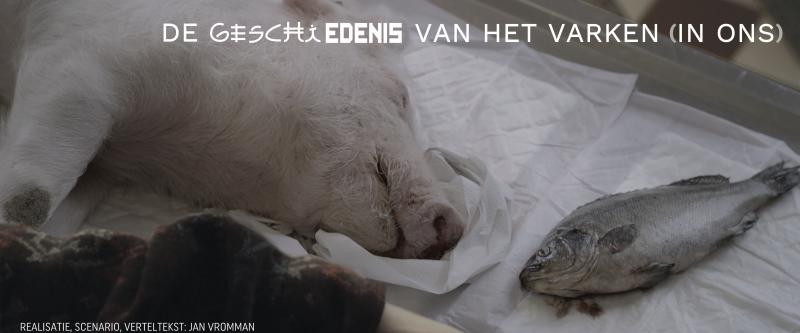
The History of The Pig (Within Us)

WINGENE - Pigs have had a close connection to humans since prehistoric times. Over the centuries, stories, rules and legends have given the animal a profound meaning. It is a symbol of uncleanness, for the 'beast' hidden inside of us, a source of food, a bone of contention in discussions. This animal signifies both passion and rejection. And that says a lot about mankind.

Leer más
Changez!
© Ben De Raes

Changez!

ANTWERP - In a time of growing polarization, geo-political instability and a reduced confidence in institutions, there are people who want real change. Bottom-up seems to be a major shift in the political landscape. Citizens solve problems without waiting for decision-making. This can be the start of a new power structure and will thoroughly change our policy.

Leer más
De tomaat
© sylvar

Tomato

WIERINGERMEER - The Netherlands is one of the world's largest exporters of tomatoes and tomato seeds. Journalist Annemieke Hendriks follows the life of the tomato, from birth to the plate, in the Netherlands, Spain, Germany, Romania, Hungary and other European countries.

Leer más
Vir 'n glasie wyn
© Emma Lesuis

Vir 'n glasie wyn

CAPE TOWN - The world behind a glass of South-African wine. Emma Lesuis went back to the winery where she made the documentary "Vir 'n glasie wyn" (For a glass of wine) and saw that little had changed. That's why she went looking for solutions and discovered the world of Fairtrade. 

Leer más

How safe is our food?

THE HAGUE - More than 60,000 people in the Netherlands are infected with salmonella every year. The resistant ESBL bacterium has been found on three-quarters of the chicken meat there. Is our food as safe as manufacturers and ministers claim?

Leer más
 Controversiële Nederlandse vogelgriepstudie krijgt vervolg
© rr

Controversial Dutch Bird Flu Study Continued

HANOI - Last year's publication of a scientific paper announcing Dutch virologist Ron Fouchier had succeeded in growing an airborne avian influenza virus in his lab in Rotterdam caused a big stir. Though inherently risky, such research was necessary, he argued, because it would teach us which naturally occuring viruses to look out for.

Leer más
De afdronk smaakt naar armoede
© Griet Hendrickx

An aftertaste of poverty

STELLENBOSCH - South African winegrowers produce more than seven thousand different wines and are among the wealthy elite in the country. Millions of consumers around the world taste the high quality of South African wine, but the workers who pick and process the grapes barely enjoy the added value produced.

Leer más
Duurzaam op papier
© An-Katrien Lecluyse en Leo Broers

Sustainable on Paper: The Eucalyptus Plantations of Bahia, Brazil

SALVADOR - NGOs, city administrations and publishers worldwide switch to FSC-certified paper. Ordinary consumers can buy copy and printing paper as well as paper towels and even wallpaper bearing the tree logo. But is the paper's green image justified?

Leer más