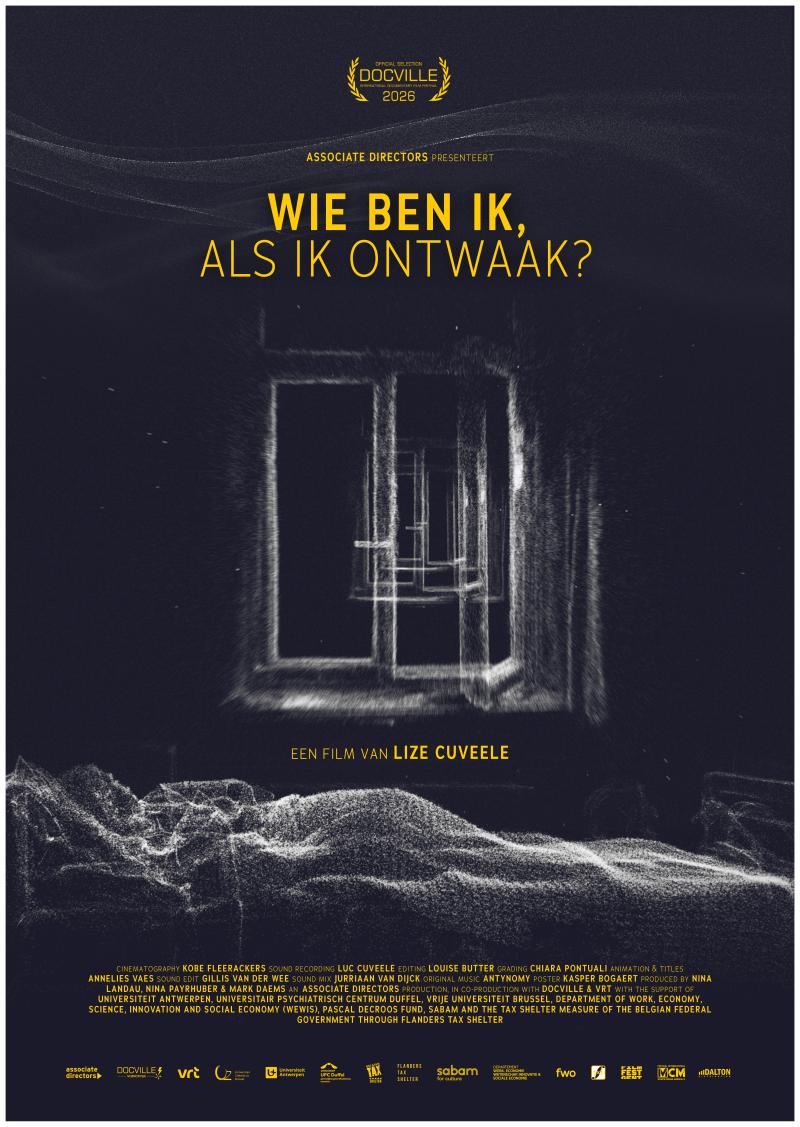
Mie has struggled with persistent depression for most of her life. In the past, ECT has been able to remedy her depression fairly quickly. Tine lost her mother when she was 18; since then, her loss and grief have overshadowed her zest for life. ECT, in combination with intensive therapy and medication, has pulled her out of this deep pit.
Despite the powerful and effective action of ECT, relapse rates are very high. This is no different for Mie and Tine. At UPC Duffel, the UA is conducting scientific research to identify relapse prevention strategies and further understand how ECT works. Although this therapy has been around for a very long time and is therefore very well documented and researched, there are still many questions and uncertainties surrounding ECT. Psychiatrists and researchers dream of a clear, ready-made answer to how ECT works, so that they can apply this treatment as effectively as possible and save lives. Because ECT is an intensive treatment that you only undergo when you are at your wits' end. It offers hope to those who seem to have exhausted all other treatment options.