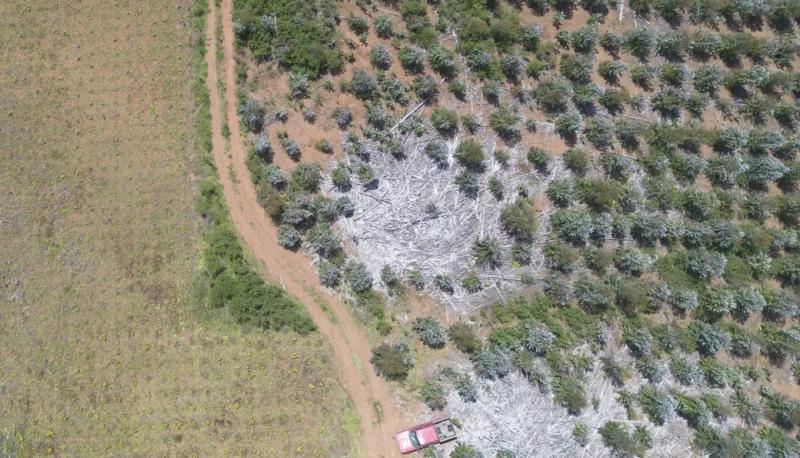
In both countries, a large proportion of the forest area consists of plantations of exotic pine and eucalyptus trees: around 17 per cent in Chile and more than a quarter in Portugal. This afforestation policy dates back to subsidies introduced during the dictatorships of Salazar and Pinochet. According to the experts and stakeholders interviewed, the intensity and manageability of fires depend not only on the weather and climate change, but also on the type of vegetation and land use.
In the Chilean wine region of Itata, 69,478 hectares were burnt in 2023 according to NASA figures, and a fire raged there again this year. Residents describe how patches of native forest slowed the fire and spared their homes.
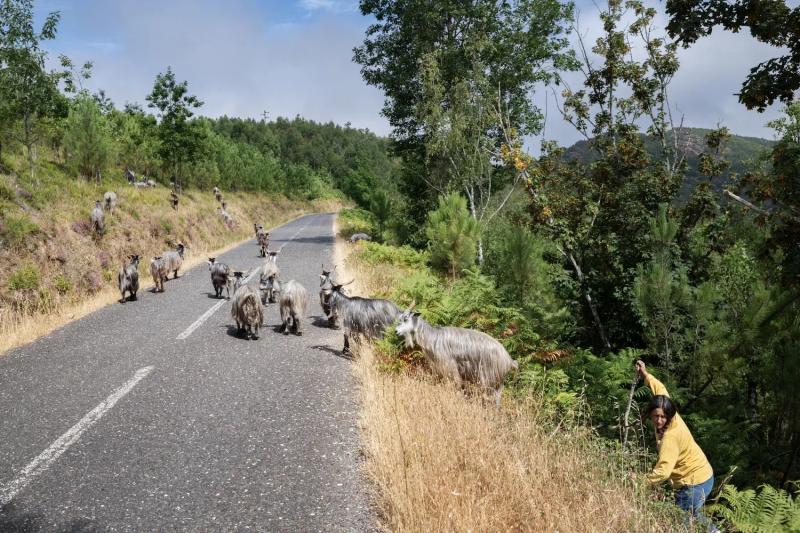
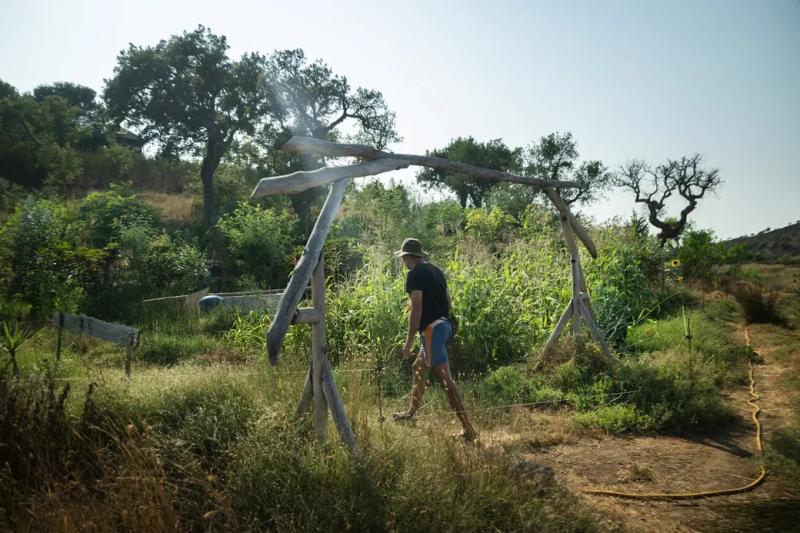
Small-scale pastoral enterprises such as Pastoras Felizes in Portugal and Nómade Pastores and Buena Cabra in Chile use goats and sheep to manage vegetation as a form of fire prevention. The company ProNativa is converting plantations into native woodland. The Portuguese project Wild Forest Garden practises syntropic agriculture, although there is debate regarding the use of eucalyptus within this method. The citizens’ movement Mata Viva aims to reforest public land with native species. Small landowners often view plantations as a source of income, whilst some experts question their profitability; it is estimated that around two-thirds of Portugal’s eucalyptus plantations have been abandoned.
Many interviewees believe that the authorities in both countries tend to act reactively and only take measures after major fires have occurred. In their view, there is a lack of a preventative policy framework that supports nature-based solutions, such as strategic grazing or strips of native woodland that serve as living firebreaks.
In Portugal, a policy on integrated landscape management areas (AIGPs) has stalled. In Chile, policy focuses primarily on making existing plantations more fire-resistant. The declining profitability of the forestry sector could, however, present opportunities for change.